
Evan Fournier shot 3-10 in Game 1 of the opening-round series against the Brooklyn Nets. It's a number that is wholly unacceptable from Fournier in terms of makes and takes. The Celtics have zero chance of even stealing a game from Brooklyn if Fournier is going to only make three shots, or take 10.
"It’s all on me; I have to do a better job finding my rhythm and finding opportunities within the offense and with the flow of the offense," Fournier said, in a respectable accepting of responsibility.
Yes, Fournier himself needs to find opportunities within the offense to get his shots. That means cutting and making himself available for passes. "Maybe be more active on the boards so that we can push the ball in transition," he added, which could also help.
However, some of this is on Brad Stevens and the Celtics to put him in positions to be aggressive and score. To that end, Stevens did say "we can reach back into some of the corporate knowledge that our guys have from the past and think about bringing that out" in an attempt to get Fournier going.
Some of those plays could be fairly recently run plays originally designed for Gordon Hayward. Turning Hayward plays into Fournier plays makes some sense because Fournier can do a lot of similar things and he plays the same position, so it's easy to slide him in there without being disruptive to everyone else.
Here's a quick look at a couple of options that could work.
The difference in this play versus how it would work is that Brooklyn would be switching, so there's a good chance they're taking away the drive after Fournier gets the ball, but it could still work for an open jumper and, if Fournier is quick enough about it, he can quickly cross over and attack an open seam and still get into the paint. Here's the set up of the play:
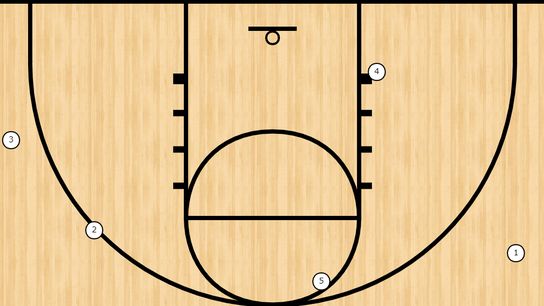
Smart (2) sets the screen for Fournier to come off and get a dribble hand-off from Robert Williams (5)
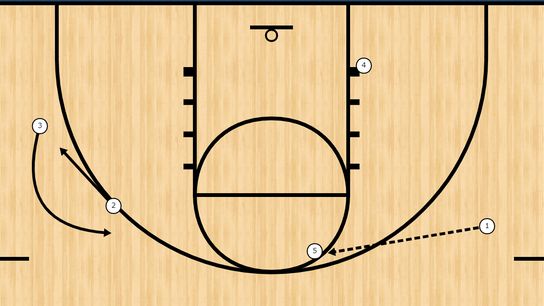
Just like every play, every step has a read/react option. If Brooklyn is switching, that screen from Smart creates a very easy slipping opportunity. Either Smart or Fournier (3) can go straight to the basket. If that happens, Tatum (4) is there for a very easy pass should his man come over to challenge. However, if that opportunity isn't there, Fournier can come right up and get the ball from Williams.
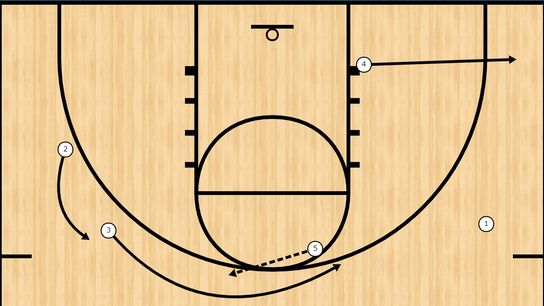
Again, if they switch, Williams can just immediately dive to the basket for an alley-oop. Tatum has cleared out to the corner so this puts his man in a bind. Fournier would have the ball, an open look at a 3, Williams going towards the rim, and Tatum alone in the corner. If Tatum's man goes to help on the lob, and if Kemba Walker's (1) man is up tight on him, then the pass goes to Tatum. If Walker's man sags off, it goes to him. Or Fournier can shoot it himself. There's also a good chance that the Williams roll opens up that seam for Fournier to drive it himself.
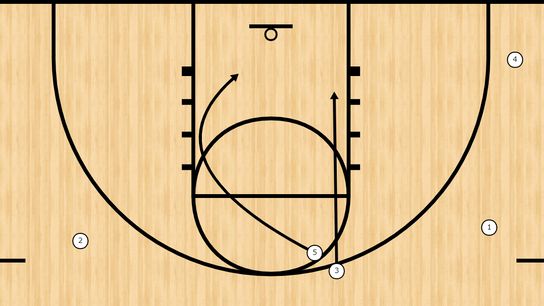
At every single step, this play opens up a potential scoring option by putting the Nets into positions to make multiple decisions.
"Instead of just isolating them and having the defense set at the boxes and elbows, try to get them in second actions where they're going to have multiple efforts, I think that's the best way to try to attack the switch," Tristan Thompson said. This play accomplishes that. So does an old favorite, the horns set. Here's a very simple variation of that:
Everyone runs this play and there's a reason why. There are a million variations to it. You can run this thing 100 times and get 100 unique plays out of it in a game. Here's the set up:
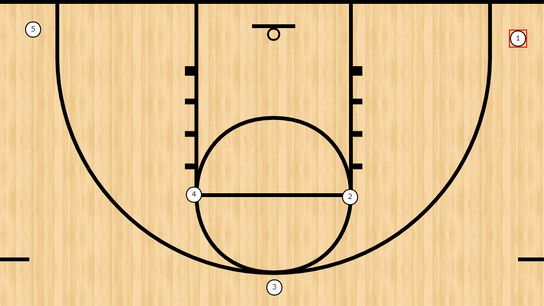
Fournier at the top, pick two guys to put at each elbow, and put a couple of floor spacers in the corners. In this scenario I have the Celtics going small but Smart (2) can be replaced by Robert Williams if they want. In the play above, it was used to create a simple flare screen for a 3-pointer.
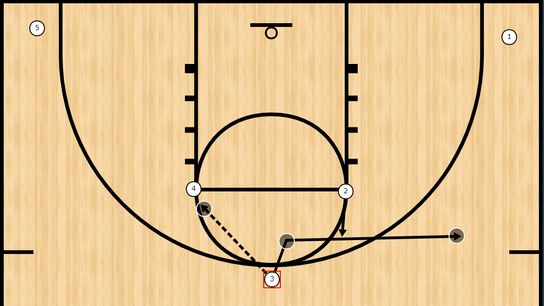
If Fournier is cooking, this could be a simple set aimed at getting him an open look. But again, even with this particular variation, the screen setter has the option of quickly slipping against the switch. With floor spacers, there isn't much help in the lane.
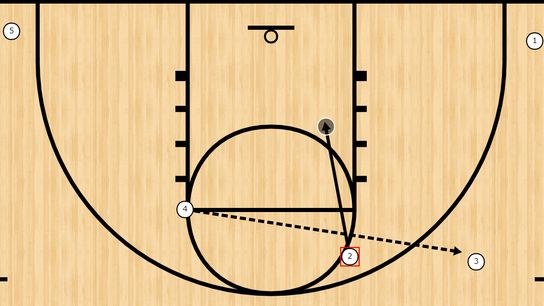
That dive to the basket either results in a layup attempt or a quick kick-out for a corner 3.
But as I said, they can set up in horns and attack however they want. It can turn into a pick-and-roll with Fournier and one of the guys on the elbows. Fournier can be a pick-setter himself, or the ball can get thrown to him on the elbow and he can read how the defense is positioned and attack the switch himself.
One of the keys to each of these is spreading out the back-line defense with shooters in the corners. Those guys have to be respected. If they keep their defenders just one step further away from the paint, it could mean the difference between layups and contested shots.
Digging back into past playbooks isn't very difficult, especially considering most teams have run most plays from time to time. A guy like Fournier, who has played for multiple NBA teams and his home country, and seen a lot, and has probably come across some variations of whatever Stevens can pull out of his hat. Throwing a few old Hayward plays into the mix could be a way to get him flowing and make him the threat he needs to be.
I discussed more of this in the latest Locked On Celtics podcast.