July 31st marks the 12-year anniversary of the Celtics acquiring Kevin Garnett in the summer of 2007, a move that forever changed the direction of the franchise under the direction of Danny Ainge.
Countless pieces have been written on circumstances surrounding the Garnett blockbuster deal that summer. How the Celtics were told that Garnett was not interested in playing for Boston during initial discussions. The acquisition of Ray Allen on draft night and some convincing by Paul Pierce helped change that.
The trade package (Al Jefferson, Ryan Gomes, Sebastian Telfair, Gerald Green, Theo Ratliff, two first-round picks for 2009) that the Celtics sent Kevin McHale and the Timberwolves for Garnett may not have come to fruition if not for a rarely remembered deal between the two franchises three years earlier. Two teams stuck in mediocrity were looking to shake things up in the middle of the 2005-06 season and the C’s took several important steps in that deal to help make the Garnett trade possible just 18 months later.
The Trade:
Celtics get: Wally Szczerbiak, Michael Olowokandi, Dwayne Jones, protected first-round pick
Wolves get: Ricky Davis, Marcus Banks, Mark Blount, Justin Reed, two conditional second-round picks
What were the Celtics thinking? Boston was in the midst of another down year under Doc Rivers. Paul Pierce was playing like an All-Star but the veteran talent around him was not good enough while the youngsters (Kendrick Perkins, Al Jefferson, Gerald Green) had not developed enough yet to turn this group into a playoff team.
For that reason, the Celtics started to go into asset acquisition mode. They traded Davis in the midst of a career year, along with a useful overpaid big man (Blount) and a contributing guard (Banks) for an overpaid scoring wing in Szczerbiak and a couple of bigs that were stiffs in Olowokandi and Jones. By trading Davis at the peak of his trade value with Blount and Banks, the Celtics were able to consolidate a few of their contracts into one bigger deal. This would obviously come in handy when the team sent Wally as salary filler in the Ray Allen trade on draft night.
The bigger part of this deal though in relation to Garnett trade was the protected first-round pick that the Celtics acquired from the Wolves. The protections loosened every year until 2012 but ultimately led to an unprotected first-round pick for Boston.
What were the Wolves thinking? It’s hard to get a sense here on what Kevin McHale was trying to pull. Minnesota was playing .500 basketball at the time of the deal in 2005-06 and clearly was looking to shake things up two years out from a berth in the Western Conference Finals.
"Chemistry's a strange thing," McHale told reporters at the time. "When you've got it, everybody plays a little better. When you don't have it, everybody plays a little worse."
The Wolves believed they were getting a 20 point scorer in Davis who was more athletic than Szcerzbiak, as well as upgrades in Blount and Banks at their positions. The first-round pick was the cost of doing business here for Minnesota, although there was constant haggling over the protections on the pick.
Ultimately, this trade was the beginning of the end for Garnett’s time in Minnesota. The Wolves finished 33-49 on the year and just 13-28 after the trade as Davis and Blount floundered against stronger competition in the Western Conference.
With both guys under contracts for the long-term, the Wolves had no real flexibility in free agency in the summer of 2006 and upgrades to the roster weren’t found. The Wolves finished next season with 32 wins, opening the door for Garnett’s availability in trade talks.
How does the first-round pick factor into the KG deal?
Celtics assistant general manager Mike Zarren confirmed to BostonSportsJournal.com the value of the Wolves’ pick to Minnesota when it came to trade negotiations for Garnett. Outside of Jefferson, the Wolves first-round pick was arguably the most important asset in the deal that Boston was sending back, since the Wolves were clearly heading into rebuild mode when they traded Garnett.
That selection ended up being the No. 6 overall pick in the 2009 NBA Draft, during which the Wolves and new general manager David Kahn famously selected Jonny Flynn over Steph Curry, giving him a second guard to play next to Ricky Rubio.
Whether or not the Wolves pick proved to be the difference in getting the deal done, we will never be sure. However, it certainly did allow the Celtics to hold on to other assets, including Rajon Rondo, at the time of negotiations.
Ultimately, a lot of things had to go right to get the Garnett deal done. The Celtics picked well (Jefferson, Gomes) in recent drafts and wisely used the No. 7 pick to help dump a bad contract (Raef LaFrentz) while grabbing a young prospect (Telfair) and an expiring deal (Ratliff). Picking up the future first-round pick from the Wolves a mere 18 months before landing Garnett was just as essential to getting a final deal done.
Every move matters in the construction of a championship core, and this is a trade that remains as one of Ainge’s most overlooked strong deals 13 years later.
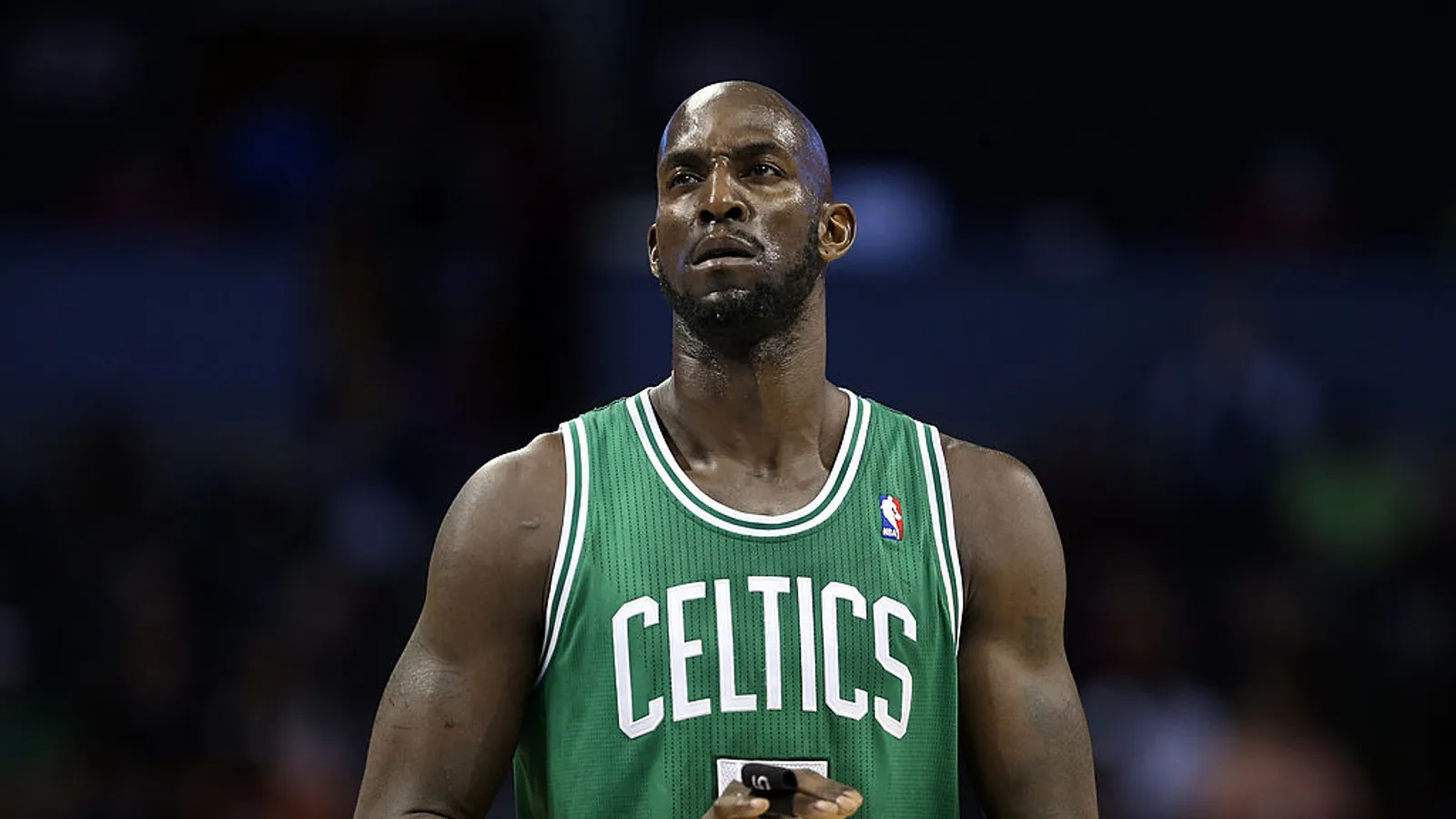
(Maddie Meyer/Getty Images)
Celtics
The overlooked deal that led to the Kevin Garnett trade
Loading...
Loading...